Everyday Science
Why Does Blue Light Scatter More Than Red?
Blue light scatters more strongly than red in clear air because bound electrical charges in air molecules respond to the light's oscillating electric field.
A good everyday explanation begins with the short answer and then tests where it breaks. Blue skies and purring cats both become more interesting once one mechanism stops pretending to explain everything. We distinguish established physics from active biological hypotheses and refuse to promote a pleasing correlation into a tiny lab-coated fact.
Blue light scatters more strongly than red in clear air because bound electrical charges in air molecules respond to the light's oscillating electric field.

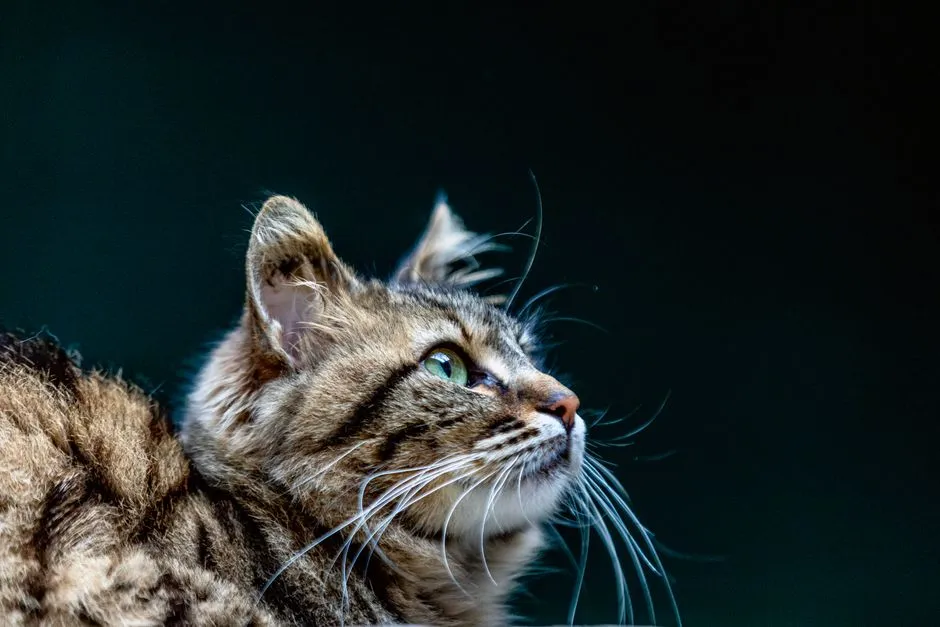
Cats purr by generating low-frequency vibration in the larynx during both inhalation and exhalation, but the exact control mechanism remains under study.
The daytime sky looks blue mainly because air molecules Rayleigh-scatter shorter visible wavelengths more strongly than longer ones.
Sunsets look red or orange because low-angle sunlight travels through more atmosphere, allowing more short-wavelength blue light to scatter out of the…

The sky changes color as sunlight travels through different lengths of atmosphere and meets molecules, droplets, crystals, and aerosols.